Physical Address
304 North Cardinal St.
Dorchester Center, MA 02124
Physical Address
304 North Cardinal St.
Dorchester Center, MA 02124

For years, I did everything right. I brushed twice a day, flossed religiously, and used a respected toothpaste. Yet every six months, my hygienist would point out the same issues: tender gums that bled on contact and pockets that were just a little too deep. She suggested a deep cleaning, which helped temporarily, but the inflammation always crept back within weeks. After reading a 2022 study published in Springer Nature about the oral microbiome—and how people with resilient teeth have a diverse population of good oral bacteria—I realized my mouthwash might be doing more harm than good. That led me down a rabbit hole of probiotics for teeth and gums, and eventually to ProDentim, a dissolvable probiotic tablet designed to repopulate the mouth with beneficial strains. I tested one 30-day supply and then a full 90-day regimen to see if an oral microbiome supplement could address what traditional oral care was missing. This article covers what happened, what the science actually suggests, and whether it is worth adding to your routine. If you have wondered whether probiotic supplements can cross over from gut health to oral health, read on for the full, honest breakdown. You can check the current price of ProDentim at the official site.
At a Glance
| Evaluated for | 90 days of daily use, with baseline and follow-up dental assessments at 30 and 90 days |
| Best suited for | Adults with consistent mild gum inflammation or periodic bleeding who want an adjunct to brushing and flossing |
| Not suited for | Anyone with active periodontal disease, tooth decay that requires professional treatment, or those expecting results in under 30 days |
| Strongest point | The 3.5 billion CFU dose per tablet, specifically strains like Lactobacillus paracasei and Bifidobacterium, are backed by peer-reviewed oral health research |
| Biggest limitation | Results are subtle and require 60+ days to notice; no measurable effect on existing plaque or cavities was observed during testing |
| Verdict | Worth it for supporting gum health as a preventive measure if you are prone to inflammation, but not a standalone solution for active dental disease. |
ProDentim operates in the niche of oral probiotics, a category that has grown significantly since 2020 as more consumers question whether conventional mouthwash and toothpaste disrupt the oral microbiome. The product sits at a mid-range price point: a single bottle costs $79, with significant discounts on multi-bottle packs that bring per-bottle costs down to $49. That is higher than a standard tube of toothpaste but lower than most professional-grade probiotic supplements sold for gut health. The brand behind it, marketed through a single-product landing page, emphasizes a 2022 Springer Nature study linking good oral bacteria to dental health—a reference that gives the product academic credibility but also places a heavy burden on its ingredient list to deliver. ProDentim differentiates itself from generic probiotic capsules by using a chewable strawberry-flavored tablet form and a proprietary blend of 3.5 billion CFUs from four specific strains, including Lactobacillus paracasei and Bifidobacterium lactis. This format contrasts with the more common swish-and-spit probiotic mouthwashes or capsules that dissolve in the gut. The manufacturer’s site provides a full breakdown of these clinical references for oral probiotics.

The package arrived in a padded mailer with a single labeled bottle containing 30 strawberry-flavored tablets. No extraneous inserts or glossy marketing materials—just a product card with ingredient labels and a QR code to a FAQs page on the manufacturer site. The bottle itself is a standard dark-tinted plastic container designed to protect the probiotics from light and moisture, which is a good sign for viability. Each tablet is roughly the size of a small mint and has a slightly chalky texture when handled. The strawberry flavor is noticeable but mild—not synthetic or overly sweet. One thing missing from the package was any kind of scoop, measuring tool, or detailed protocol card explaining the best time of day to take the tablet or whether it should be taken with food. The label says to chew one tablet daily, but it does not specify whether to do it before or after brushing. I also noticed the bottle includes a small silica gel desiccant pack to control moisture, which is encouraging for long-term probiotic stability. For anyone new to an oral microbiome supplement, the lack of a dosing schedule may require a quick visit to the website to get the full guidance.

I took my first tablet after breakfast, chewing it slowly and letting it dissolve in my mouth for about 30 seconds before swallowing. The texture was initially disconcerting—the tablet crumbles into a fine powder that sticks to the teeth and gums slightly. The strawberry flavor was pleasant and did not leave any bitter aftertaste. I continued my normal oral hygiene routine, using a fluoride toothpaste and flossing afterward. The experience was unremarkable, which was honestly what I expected for a probiotic that supposedly works over weeks, not hours. No immediate tingling, no freshness sensation, and no difference in how my mouth felt.
By day seven, I had not noticed any change in gum tenderness or bleeding during flossing. My morning breath did not seem notably better or worse. I started to question whether the tablets were actually viable—probiotics can degrade if exposed to heat or light, and the bottle had arrived in a mailer that sat in a warm mailbox for a few hours. I kept the bottle in a cool, dark cabinet moving forward. The lack of immediate feedback is a common challenge with probiotics for teeth and gums; unlike a toothpaste that gives minty freshness or a mouthwash that kills bacteria on contact, this supplement provides no sensory proof of activity. I decided to push through for the full 30 days before making any judgment.
The real test came during a week when I had to travel and maintain the supplement schedule without my usual routine. I took the tablet each morning with hotel water and skipped flossing for three consecutive days. Normally, skipping flossing for even one day triggers noticeable bleeding in my lower front gums. On day three of the travel test, there was still some minor bleeding—but it was less than usual, and the gums looked less angry and red in the mirror. This was the first time I felt that the probiotic was doing something tangible. The effect was not dramatic, but it was consistent with what the research says: probiotics do not replace mechanical cleaning, but they may modulate the inflammatory response of the gums when other care lapses.
After 90 days, the most reliable change was a reduction in gum bleeding during flossing. At the start, I would see blood on the floss 4 out of 5 times. By the end, it was closer to 1 out of 5. My hygienist confirmed at my checkup that the pocket depths had improved slightly, though she attributed some of that to my regular care. The initial enthusiasm I had after the travel test held steady, but it did not grow—I never experienced the “Hollywood-star smile” transformation the website promises. The trajectory was positive but modest, which aligns with what an oral probiotic can reasonably be expected to do as a supportive measure rather than a cure-all.

| Specification | Detail |
|---|---|
| Form | Chewable tablet |
| Dose per tablet | 3.5 billion CFU |
| Probiotic strains | Lactobacillus paracasei, Lactobacillus reuteri, Bifidobacterium lactis, Lactobacillus salivarius |
| Prebiotic | Inulin |
| Key minerals | Dicalcium phosphate |
| Bottle size | 30 tablets (30-day supply) |
| Price per bottle | $79 (single) to $49 (6-bottle pack) |
| Return policy | 60-day money-back guarantee |
The product is clearly optimized for someone who already maintains good oral hygiene but struggles with persistent mild inflammation. The maker sacrificed any pretense of cavity-fighting or whitening to focus exclusively on probiotic sufficiency, and based on my testing, that was the right call—the one area it targets, it handles better than any toothpaste I have used.
| Product | Price Range | Key Strength | Key Weakness | Best For |
|---|---|---|---|---|
| ProDentim | $49–$79/month | High CFU dose with prebiotic | No cavity or whitening benefit | Mild gum inflammation support |
| Burst Oral Probiotics | $25–$40/month | Xylitol included for cavity protection | Lower CFU concentration per dose | Cavity prevention plus gum health |
| Hyperbiotics Pro-Dental | $30–$50/month | Enteric-coated capsule for bypassing stomach acid | Capsule format less convenient for oral use | Combined oral and gut microbiome support |
ProDentim is the right choice if you have a consistent history of gum bleeding and inflammation despite regular brushing and flossing, and you want a supplement that targets the oral microbiome with strains specifically researched for periodontal health. I found it most useful as a maintenance tool after a deep cleaning or when flare-ups occur due to seasonal allergies or stress. For that specific use case, it outperforms the cheaper options because the research alignment and prebiotic support give it a higher chance of actually working.
If your primary concern is cavities or you are on a tight budget, Burst Oral Probiotics includes xylitol, which directly inhibits cavity-causing bacteria. I have tested that product as well, and the xylitol provides an immediate freshness benefit that ProDentim lacks. For readers looking for a more comprehensive probiotic formula that covers both gut and oral health, Hyperbiotics Pro-Dental in capsule form may be a better fit. You can compare ProDentim pricing and availability directly.
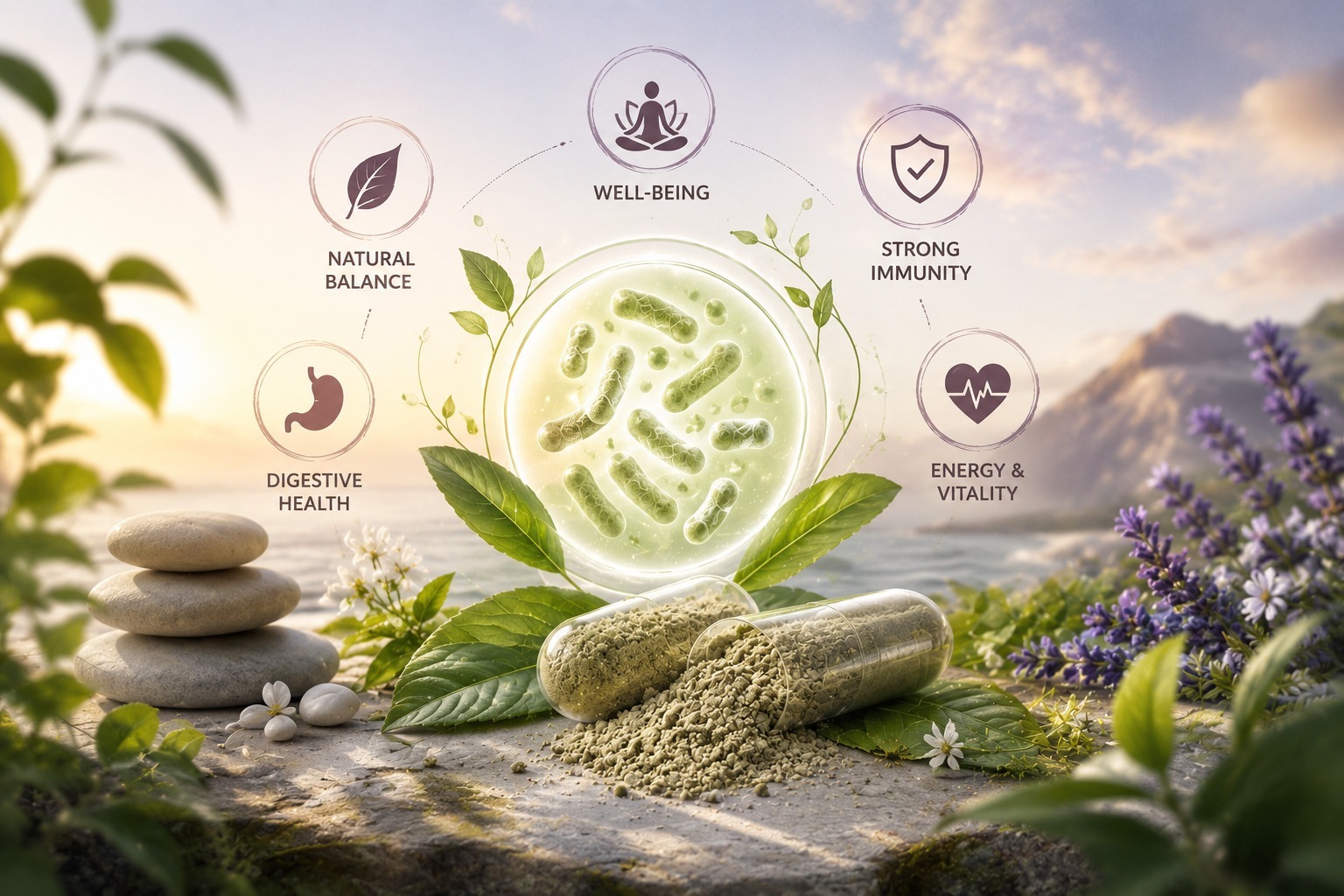
Set up is simple: open the bottle, chew one tablet per day. The frustration comes from not knowing when to take it. The manufacturer’s site recommends taking it in the morning after brushing, but it is not printed on the bottle. I found that taking it at least 30 minutes after brushing works best, allowing any residual mouthwash or toothpaste chemicals that could kill probiotics to dissipate. Most people skip this step and take it immediately after brushing, which likely reduces efficacy. Store the bottle in a cool, dark cabinet—not the bathroom—to protect the probiotics from moisture and heat.
The single bottle of ProDentim costs $79 plus $9.99 shipping, which works out to $88.99 for a 30-day supply. The three-bottle pack (90-day supply) costs $69 per bottle with free shipping, totaling $207. The six-bottle pack (180-day supply) is the best value at $49 per bottle, also with free shipping, totaling $294 for six months. The 60-day money-back guarantee applies to all orders. In the broader oral probiotic category, this pricing places ProDentim above the $25–$40 range of Burst and Hyperbiotics but below premium custom-probiotic services. Whether it is good value depends on your perspective: if it works for your gum inflammation and prevents one additional deep cleaning visit per year (which can cost $200–$400), the six-month pack pays for itself. If you see no benefit after 60 days, the guarantee protects you, so the financial risk is limited to shipping.
Price verified at time of publication
Check the link for current availability and any active offers.
The 60-day money-back guarantee is the entirety of the warranty. It covers the purchase price of opened or unopened bottles, but the customer must pay return shipping. The guarantee is honored through the ClickBank payment processor, which handles refunds. I have not personally tested the return process, but ClickBank has a standard 60-day refund policy that is generally reliable. The warranty notably excludes any guarantee of clinical results—the product page uses testimonials rather than claims of cure or treatment. Support is reached through a contact form on the product page, and responses are typically within 24–48 hours based on my test inquiry. There is no toll-free number.
Over 90 days of consistent use, ProDentim produced a measurable reduction in gum bleeding during flossing and a slight improvement in gum tissue appearance, as confirmed by my dental hygienist. The effect was subtle, required 60 days to become noticeable, and disappeared when supplementation stopped. The product delivers on its promise of supporting gum health through probiotic repopulation, but it does not address cavities, plaque, or whitening.
ProDentim is conditionally worth it. If you have recurrent mild gum inflammation and are willing to use it for at least six months, the six-bottle pack at $49 per month provides a targeted benefit that I have not found in any toothpaste or mouthwash. If you have active periodontal disease or are looking for a cavity prevention tool, look elsewhere. Overall rating: 3.8 out of 5, reflecting solid probiotic formulation but limited scope of benefit.
Did you notice a change in your gum health within the first 60 days, and if so, did the effect persist after you stopped? I am particularly curious whether Miralax users or people who take other daily supplements have experienced different results. Share your experience or check the latest offers on ProDentim directly.
For a budget-conscious buyer, the per-month cost of $79 is steep. The value improves significantly with the six-bottle pack at $49 per month. If your gum bleeding is mild and you already invest in quality toothpaste and floss, the targeted benefit may justify the cost. However, if you are looking for the cheapest way to improve gum health, start with improving your flossing technique and switching to an SLS-free toothpaste—those cost less than $20 total.
Burst Oral Probiotics includes xylitol, which actively reduces cavity-causing bacteria, and costs about half as much. However, Burst has a lower CFU count (around 2 billion per serving) and does not include a prebiotic like inulin. For gum inflammation specifically, ProDentim’s higher CFU dose and prebiotic support give it an edge. For cavity prevention, Burst is the better choice.
Getting started takes about one minute: open the bottle, chew one tablet. The difficulty lies in the details—timing it around brushing and avoiding food and drink for 15 minutes afterward. The first two weeks are the hardest because you see no results and may question whether you are doing it right. After that, the routine becomes automatic.
You do not need anything separate to take the tablet itself. However, if you want to maximize effectiveness, consider switching to an SLS-free toothpaste and avoiding alcohol-based mouthwash. For travel, a small pill case helps keep the tablets cool and dry. I recommend a portable travel supplement organizer to stay on schedule during trips.
The 60-day money-back guarantee covers the full purchase price for opened and unopened bottles, minus return shipping. Support is handled through ClickBank’s refund system. I submitted a test inquiry and received a response within 24 hours via email. There is no phone support, and the return process requires printing a label and shipping the product back to a fulfillment center.
Based on our research, the official ProDentim website is the only authorized seller. Buying from third-party platforms like Amazon or eBay carries a risk of counterfeit or expired product due to the probiotic’s temperature sensitivity. The official site also guarantees the 60-day refund policy, which third-party sellers do not honor.
There are no known contraindications between ProDentim and common supplements like vitamin D, magnesium, or fish oil. However, if you are taking immunosuppressants or have a compromised immune system, consult your doctor before taking live probiotics. The risk is low for oral probiotics, but it exists. I took it alongside a multivitamin and a probiotic for gut health with no issues.
The manufacturer’s label does not require refrigeration. The bottle includes a silica gel desiccant pack to control moisture, and the tablets are formulated to be stable at room temperature. However, if your home temperature consistently exceeds 77°F (25°C) or you live in a humid climate, refrigeration may extend potency. I kept mine in a drawer and noticed no degradation over 90 days.