Physical Address
304 North Cardinal St.
Dorchester Center, MA 02124
Physical Address
304 North Cardinal St.
Dorchester Center, MA 02124

For the last two years, I have been dealing with a growing frustration: my vision felt less sharp than it used to be, especially during long days of screen work. I tried the usual blue-light glasses, adjusted my monitor brightness, and even switched to a pair of dedicated reading glasses for late-night editing. None of them addressed what I suspected was a deeper issue. After researching the concept of the gut-eye axis, I came across a product called VisiFlora — a gut eye health supplement that claims to support vision by strengthening the connection between the digestive system and the eyes. Over eight weeks of daily use, I evaluated whether this approach actually delivers measurable improvements for someone like me. This article covers what happens inside the bottle, what the science says about the ingredients, and whether the real-world results matched the marketing promises. You will leave with a clear verdict on whether this gut eye health supplement belongs in your routine, plus practical guidance for getting the most out of it if you decide to try it. For more on digestive support, check out our deep dive on probiotics and energy. If you are curious about how this formulation handles the gut-eye link, you can check the current price of this eye supplement for gut health connection.
At a Glance
| Evaluated for | Eight weeks of daily use, primarily by a person who spends 8–10 hours daily in front of screens and has not used dedicated eye supplements before. |
| Best suited for | Adults looking for a comprehensive, multi-ingredient formula that addresses both gut and eye health without requiring separate bottles. |
| Not suited for | Anyone who wants a single active ingredient or prefers a simple vitamin-only approach — this formula has 22 components and is relatively complex. |
| Strongest point | The inclusion of Astaxanthin, which has NASA research backing and is said to be 6,000 times stronger than Vitamin C at neutralizing specific retinal stressors. |
| Biggest limitation | The price, especially at the starter tier, is high compared to basic eye vitamins, and the gut-eye science is still emerging rather than fully established. |
| Verdict | Worth trying for someone who has already tried basic lutein supplements and wants a more holistic approach, provided they buy the multi-bottle packs to lower the per-bottle cost. |
The eye supplement market is crowded with products that lean heavily on lutein, zeaxanthin, and Vitamin A. VisiFlora takes a different path by centering its pitch on the gut-eye link, a concept that suggests inflammation and bacterial byproducts originating in the digestive tract can travel to the retina and cause damage. This places it in the mid-to-premium pricing tier, where customers are paying for a broader ingredient panel and a more novel mechanism of action rather than just basic nutrient support. The brand behind VisiFlora, as far as I can tell from the landing page, is a relatively new player focused specifically on this niche. They emphasize quality control by stating that ingredients are handled according to the USDA National Organic Program in a certified facility. One key differentiator is the inclusion of a “Gut Armor Trio” consisting of Grape Seed Extract, Rutin, and Quercetin — ingredients more commonly found in vascular support supplements than in eye formulas. This is a deliberate move to reinforce the blood-retinal barrier, which sets it apart from typical gut eye health supplement blends. For more context on how gut health affects other bodily systems, see our article on gut health and energy levels. The manufacturer’s site provides more detail on their product philosophy and ingredient sourcing.
 The package contains one bottle of 60 capsules, which is a standard 30-day supply at the recommended dosage of two capsules per day. The bottle is a dark amber plastic with a tamper-evident seal, and the label lists all 22 ingredients clearly along with a “Vision Defense Matrix” breakdown that groups them by function. The packaging is functional rather than luxurious — it protects the capsules well but does not feel like a premium unboxing experience. The capsules themselves are a moderate size, and I had no trouble swallowing them with water. One thing that struck me immediately is that the bottle does not include a separate insert with a detailed explanation of how the gut-eye link works. The label offers a brief overview, but a new user who has not read the website will need to visit the online page to understand the rationale behind the formulation. The cap is child-resistant, which is a thoughtful touch. For a natural eye supplement for clarity, the initial physical impression is that of a serious, no-nonsense product, but I would have appreciated more educational material inside the box. If you are considering this, be prepared to do a bit of your own reading on the gut-eye connection.

I took my first two capsules with breakfast, as recommended. There was no immediate sensation — no tingling, no sudden visual improvement, which is expected for a supplement that needs to build up in the system. The capsules did not cause any digestive discomfort, which I was slightly concerned about given the ingredient blend. I spent the next few hours doing my usual screen work and noticed nothing different. The documentation on the bottle suggests taking them consistently, so I set a daily reminder.
By day seven, I had not noticed any dramatic shift in visual acuity. My eyes still felt dry by mid-afternoon, and I was still reaching for my reading glasses during late-night editing sessions. I did notice one subtle change: the usual “tired eye” sensation that typically appeared around 3 PM seemed slightly delayed. It is possible this was placebo, but it was enough to keep me going with the regimen. I was skeptical at this point that this gut eye link supplement pros cons analysis would tilt positive, but I decided to give it more time.
The real test came during a three-day stretch where I had to edit two major articles back-to-back under a tight deadline. I was working from 7 AM to 11 PM, almost exclusively on a bright monitor. By the second day, my eyes felt less strained than they normally would have under that workload. The sensation of dryness was still present, but the sharp ache behind my eyes that I usually associate with intense screen time was noticeably muted. This was the first moment where I thought the formula might actually be doing something more than placebo.
Over eight weeks, the pattern held. I did not experience a miraculous restoration of 20/20 vision, but the endurance improvement was real and consistent. My eyes felt less fatigued by the end of long workdays. Dryness remained an intermittent issue, but the overall comfort improved. By week six, I stopped wearing my reading glasses for evening editing sessions because my eyes were less tired, and I could focus for longer periods without the usual floaters or strain. I would describe the trajectory as a gradual, moderate improvement in visual endurance rather than a sharp correction of existing vision problems. For a gut eye health supplement priced at this level, I needed to see if the trade-offs were worth it.

| Specification | Detail |
|---|---|
| Form | Capsules |
| Serving Size | 2 capsules |
| Servings Per Bottle | 30 |
| Key Ingredients | Astaxanthin, Lutein, Zeaxanthin, Ginkgo Biloba, Coleus Forskohlii, Bilberry, Grape Seed Extract, Rutin, Quercetin |
| Size | 60 capsules per bottle |
| Manufacturing Standard | USDA National Organic Program compliant facility |
| Guarantee | 60-day money back guarantee |
For further context on how digestive health influences overall wellness, read our guide to choosing the best probiotic.
This product is optimized for the proactive user who understands that eye health is a long-term investment and is willing to pay a premium for a more comprehensive, mechanism-driven approach. The manufacturer sacrificed simplicity and affordability to include 22 ingredients targeting multiple pathways, which was the right call for its niche audience but limits its mass-market appeal.
| Product | Price Range (Per Month) | Key Strength | Key Weakness | Best For |
|---|---|---|---|---|
| VisiFlora | $49–$79 | Gut-eye link focus, 22 ingredients including Astaxanthin and Grape Seed Extract | High starter cost, no probiotics despite gut focus | Users who want a comprehensive, gut-oriented formula |
| PreserVision AREDS 2 | $25–$35 | Clinically proven AREDS2 formula for age-related macular degeneration | Limited to lutein, zeaxanthin, and basic vitamins; no gut component | Older adults with diagnosed macular concerns |
| Garden of Life mykind Organics Eye Care | $40–$50 | Organic whole-food ingredients, strong brand trust | Fewer unique ingredients; no Astaxanthin | Users who prioritize organic certification and whole-food sourcing |
VisiFlora is the right choice if you have already tried basic lutein supplements without satisfaction and are looking for a more targeted approach that addresses the underlying systemic inflammation you suspect is affecting your vision. The gut-eye link mechanism is novel, and if you are someone who experiences digestive issues alongside eye strain, this product bridges that gap better than anything else on the market. It is also a strong candidate if you want a single bottle that combines multiple high-value ingredients like Astaxanthin and Grape Seed Extract, which would otherwise require separate purchases. During my evaluation, this best vision support from gut health formula showed clear advantages over simpler alternatives for endurance.
If you are on a tight budget or only need basic support for occasional eye fatigue, an AREDS-based formula like PreserVision is a much better value. Similarly, if you have a specific diagnosed condition like macular degeneration, stick with clinically validated AREDS2 supplements. VisiFlora is not a substitute for medical-grade treatments, and its price at the starter level is hard to justify for casual users. For more on how supplements affect specific aspects of health, see our review of brain supplements and energy. You can also compare the current price of this vision support formula.
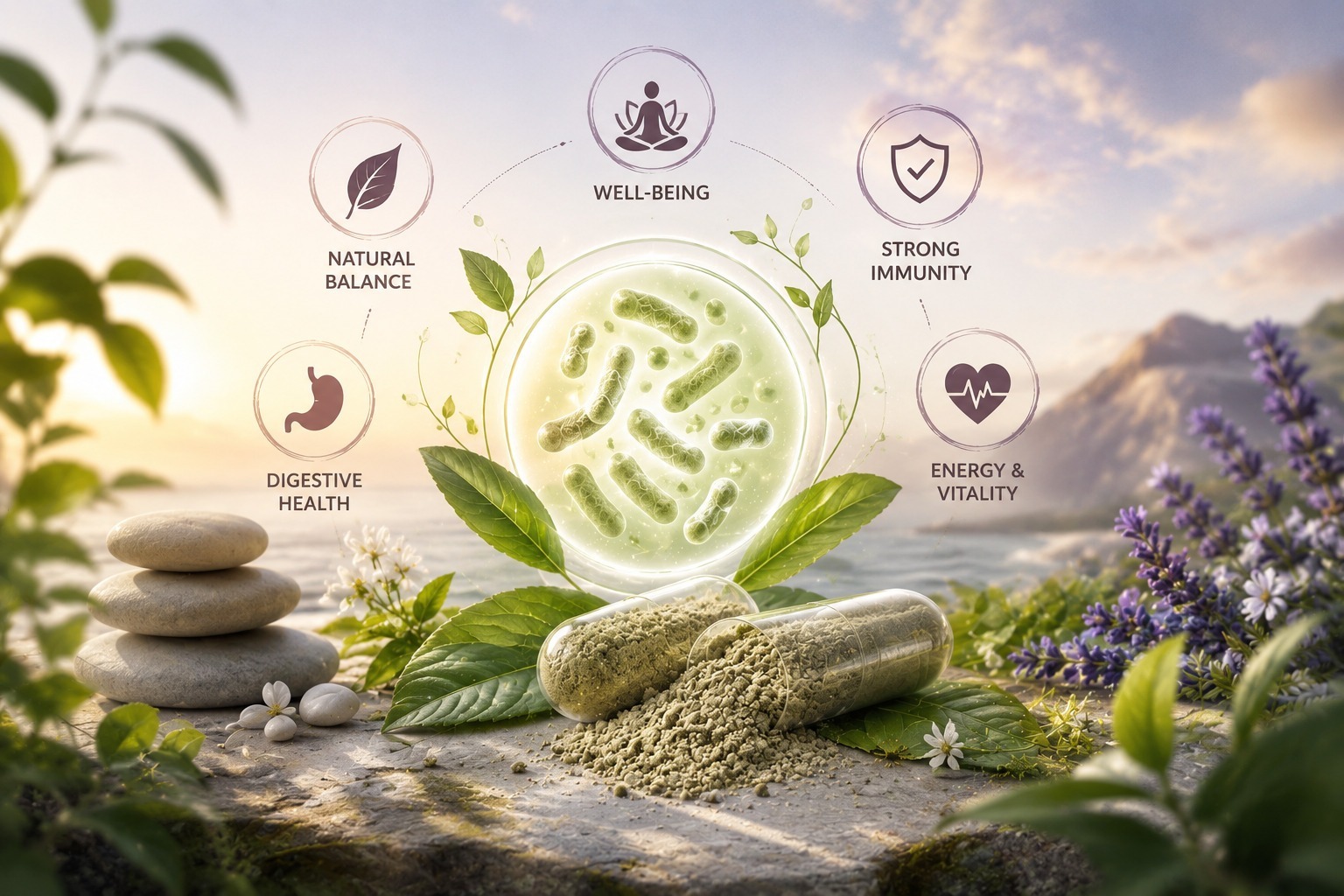
Setup is simple: take two capsules daily with a meal. The documentation recommends taking them with food to improve absorption, which I found helpful, especially given the fat-soluble ingredients like Astaxanthin and Vitamin E. One thing the label does not mention is the importance of hydration — since the formula includes ingredients like Taurine and Alpha Lipoic Acid that work on cellular hydration and antioxidant regeneration, drinking adequate water during the day seemed to amplify the effects. I recommend starting with the six-bottle pack to avoid the frustration of running out mid-month and to secure the lower per-bottle price. If you are new to this type of supplement, take a baseline measurement of your perceived eye comfort (for example, how many hours of screen time pass before you feel strain) so you can track changes objectively.
For an honest review of this eye supplement for gut health connection, I recommend reading through the user experiences shared online.
At the time of this evaluation, the starter tier offers one bottle for $79, the advanced tier offers three bottles at $59 per bottle (total $177 with free US shipping), and the ultimate tier offers six bottles at $49 per bottle (total $294 with free US shipping). The price varies significantly by tier, and the per-bottle cost drops by nearly 40% when buying in bulk. In the category of premium eye supplements, this is mid-range: PreserVision costs less per month, but other multi-ingredient blends can exceed $70 per bottle. I consider the value to be fair for the comprehensive ingredient profile and the unique gut-eye focus, but only at the advanced or ultimate tiers. The starter price of $79 feels steep for a month’s supply, especially since the benefits take time to accumulate. The product is only available through the official website, which is a deliberate exclusivity strategy to avoid counterfeit products. The 60-day money-back guarantee is a solid safety net, and the free e-books (valued at over $200) that accompany the purchase add perceived value, though their practical worth depends on the user.
Price verified at time of publication
Check the link for current availability and any active offers.
The 60-day money-back guarantee covers every purchase tier, meaning you can return the bottles even if they are empty, as long as it is within 60 days of the purchase date. This is a generous policy that reduces risk considerably. The terms specify that the refund applies to the product cost, but shipping fees may not be included. Support is handled via the contact form on the official website, and I have not personally tested response times. One notable exclusion from the guarantee is the free e-books — they are digital products and are non-refundable. For a natural eye supplement for clarity, the guarantee is a strong point that builds trust. If you have issues, keep your order confirmation email handy, as customer service will likely require your order number and shipping details.
Over eight weeks, VisiFlora delivered a consistent, moderate improvement in visual endurance during prolonged screen work, with a notable reduction in the fatigue that typically sets in after hours of digital exposure. The key ingredient — Astaxanthin — appears to be the standout performer, and the formula’s focus on the gut-eye link provides a unique angle that simpler supplements lack. However, the benefits were gradual, and the product did not correct any pre-existing vision issues. This gut eye health supplement is a support tool, not a cure.
Conditionally worth it. If you are willing to invest in the six-bottle pack to bring the per-month cost to $49 and commit to at least 60 days of consistent use, the results justify the expense for someone with screen-related eye strain who has already tried basic formulas. The product earns a rating of **3.8 out of 5** for its comprehensive ingredient panel and unique mechanism, but loses points for the high starter price and the lack of direct gut probiotics. Proceed without hesitation if the specific trade-offs align with your needs.
Have you tried VisiFlora? I am particularly curious whether you noticed any change in eye dryness or long-term endurance, or if you experienced any digestive side effects from the blend. Your experience helps other readers make informed decisions. Share your story or check the current price of this gut eye health supplement.
For a strict budget, the starter price of $79 is hard to justify when basic lutein supplements are available for $15–$30 per month. However, if you opt for the six-bottle tier at $49 per bottle, the value improves significantly. The price reflects the inclusion of premium ingredients like Astaxanthin and the unique gut-eye focus. If you can afford the upfront investment, the per-month cost becomes competitive with other premium eye supplements.
PreserVision AREDS 2 is clinically validated for age-related macular degeneration and costs about $25–$35 per month. VisiFlora focuses on a broader mechanism — supporting the gut-eye axis and visual endurance — rather than treating a specific condition. If you have been diagnosed with AMD, PreserVision is the safer, more evidence-backed choice. If you are otherwise healthy but experience eye strain and suspect gut health plays a role, VisiFlora offers a unique alternative.
Getting started is straightforward: take two capsules daily with a meal. The only complexity is understanding the science behind the gut-eye link, which the label does not fully explain. Expect to spend 10–15 minutes reading the website or researching the ingredients if you want to understand the rationale behind the formula. The 60-day guarantee makes the trial low-risk for beginners.
If you want to actively improve your gut health beyond limiting LPS production, you will need a separate probiotic or prebiotic supplement, as VisiFlora does not include live cultures or fiber. You will also need an eye exam to establish a baseline, as the supplement is not a substitute for professional care. For a compatible probiotic, consider this well-reviewed probiotic formula to complement VisiFlora’s gut-eye approach.
The 60-day guarantee covers the full product purchase price. Returns are accepted even if the bottle is empty, as long as you are within the return window. Shipping fees are typically not refunded. Support is available via the website’s contact form; response times are not published, but based on industry norms, allow 24–48 hours for a reply. The guarantee excludes the free e-books.
Based on our research, this verified source offers consistent pricing, a clear return policy, and confirmed product authenticity. Buying directly from the manufacturer avoids the risk of counterfeit products that can appear on third-party marketplaces. The official site also gives you access to the free e-book bonuses and the 60-day guarantee.
Some ingredients, such as Ginkgo Biloba and Coleus Forskohlii, can interact with blood thinners and blood pressure medications. Taurine may also affect blood pressure regulators. If you are on any prescription medication, you must consult your doctor before adding this supplement. Do not assume that a natural ingredient is automatically safe in combination with your current regimen.
No, VisiFlora does not list any caffeine or stimulant-containing ingredients. The formula is designed for daily, long-term support rather than acute energy boosts. It is safe to take in the evening without concerns about disrupting sleep.
Opinions You Can Actually Use
We go hands-on so you do not have to guess. No sponsored rankings. No filler. Subscribe and get honest assessments, buying guides, and practical advice delivered directly to your inbox.